One Day in Gyeongju: A Realistic Itinerary That Actually Fits
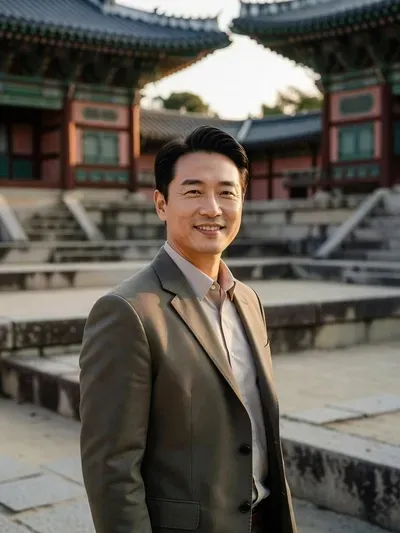
A well-built one day in gyeongju itinerary covers the highlights if you route it right: Bulguksa and Seokguram in the morning, the walkable tomb-and-pond core in the afternoon, and Donggung Palace after dark to close the day. As of August 2026, this is the same sequence I hand independent travelers who tell me they only have today and want the real Gyeongju, not a rushed half version of it. What one day does not cover is the museum or a Namsan hike, and I say that upfront rather than let anyone plan around a fantasy.
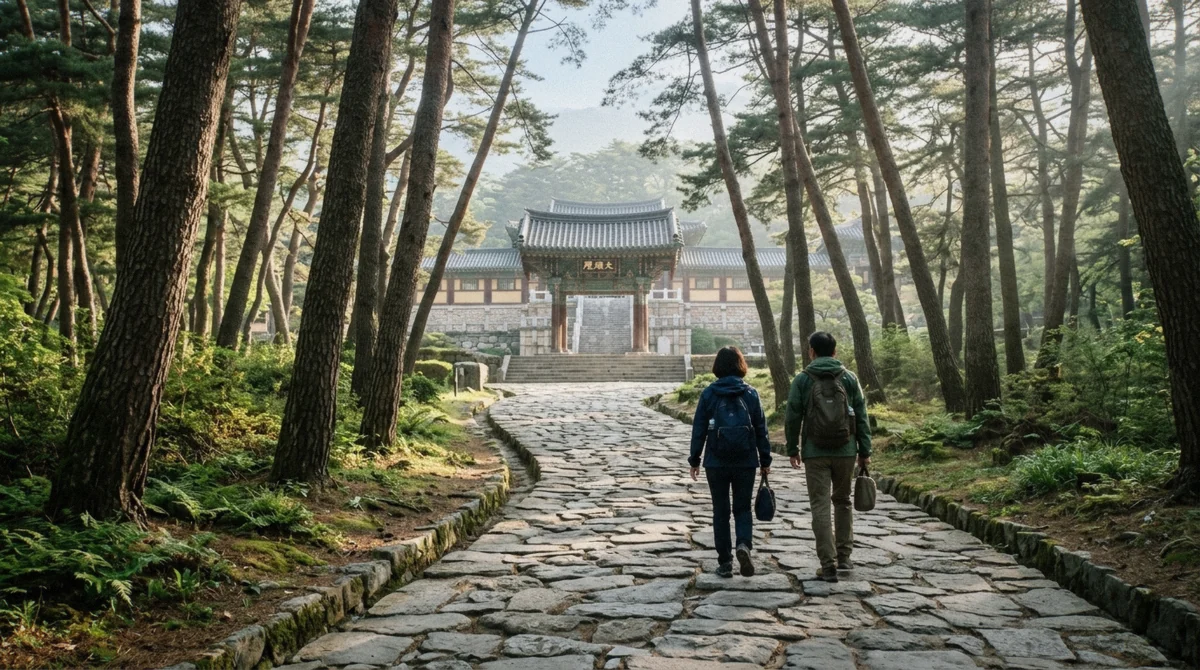
Quick answer
Yes, one day in Gyeongju covers the highlights if you route it correctly: start at Bulguksa and Seokguram on Tohamsan in the morning, spend midday and afternoon in the walkable tomb-and-pond core, and close at Donggung Palace and Wolji Pond after dark. What it doesn't cover is the National Museum or a Namsan hillside hike, both of which need their own day.
Key takeaways
- The tomb-and-pond core is walkable, everything from Daereungwon to Woljeonggyo Bridge sits within about 2 km
- Want the whole route handled for you? this private half-day tour compresses the UNESCO core into 4.5 hours
- Coming in from Busan the same morning? see getting here from Busan before you build the rest of the day around it
- Timing your trip around weather or crowds? the best months to visit covers that separately
- End the day at Donggung and Wolji Pond, the gates stay open to 22:00 and the floodlit reflection is the best closing shot in the city
The Guided Version of This Day
Before the self-guided route, here's what a guided version of the same day looks like, for comparison.
 from $193Starts in Gyeongju — 5.0★
 Private Gyeongju UNESCO Tour Starting in Gyeongju
A private tour that begins directly in Gyeongju — no long commute from Busan — with an independent local guide rather than a scripted route. Visit Bulguksa Temple…
- Explore Gyeongju with an independent local guide, not a scripted tour
- Visit Bulguksa Temple, Seokguram Grotto and key UNESCO World Heritage sites
- Begin directly in Gyeongju for more time in the city and less time travelling
- Discover hidden viewpoints and the mythology of the thousand-year Silla kingdom
 from $190Most Booked — 4.9★, 133 Reviews
 Gyeongju UNESCO Heritage Tour Including Bulguksa Temple
A full-day journey through Gyeongju, the 'museum without walls', taking in the city's headline UNESCO World Heritage sites. Begin with a convenient pickup from Busan or Gyeongju, then…
- Full-day guided tour of Gyeongju's UNESCO World Heritage sites
- Visit Bulguksa Temple and Seokguram Grotto, national treasures of Korea
- Explore the 'museum without walls' with hotel pickup from Busan or Gyeongju
- See royal tombs, ancient temples and Silla-era history sites
 from $89Small Group — 4.9★, 20 Reviews
 Gyeongju Small-Group Tour with Busan or Gyeongju Pickup
An intimate small-group day (maximum six guests) into the world of the Silla Kingdom, with storytelling from an expert history guide. Visit Bulguksa Temple, royal tombs and traditional…
- Explore Gyeongju's UNESCO sites in an intimate group of maximum six guests
- Deep dive into Silla history with an expert storytelling guide
- Flexible departures from either Busan or Gyeongju
- Visit Bulguksa Temple, royal tombs and traditional villages
Is One Day Enough?
Honestly, yes for the headline sites, no for everything Gyeongju has. One day comfortably fits Bulguksa, Seokguram, the walkable tomb core and an evening at Donggung, which is the core reason most visitors come. What it does not fit is the Gyeongju National Museum, which alone deserves two or three unhurried hours, or a hike up Namsan to see the scattered Buddhist carvings across its slopes, both of which regularly get pushed to a second day by travelers who try to add them and end up rushing everything else instead.
I tell first-time visitors to treat one day as the greatest-hits version of Gyeongju rather than the complete one. It genuinely is enough to leave with a real sense of the Silla capital, the temple architecture on Tohamsan and the tomb mounds at the center of town, just not enough to call the visit exhaustive.
The travelers who leave happiest with a single day are the ones who decide in advance what they're trading away, not the ones who discover it mid-afternoon when they realize they're out of time. If the museum matters to you as much as the temple, that's worth knowing before you land in Gyeongju, since it changes whether one day is really the right amount of time for your trip at all.
If your train schedule squeezes the day down to half, this is how I cut it. The morning temple run is the first thing to drop, not because it is weaker, but because it costs the most transit time for the hours you have.
| If you have | Keep | Let go |
|---|---|---|
| A full day | Everything below, in the order the timeline sets out | Nothing, this plan already trims the museum and Namsan |
| An afternoon and evening | Daereungwon, Cheomseongdae, Gyochon, Woljeonggyo, then Donggung after dark | Bulguksa and Seokguram, save them for a return trip |
| A morning only | Bulguksa and Seokguram while the light is best | The walkable core, or swap it in and skip the temples |
| Half a day with no transit patience | The walkable core plus lunch on Hwangnidan-gil | Anything that needs a bus |
The Route at a Glance
This is the order I route a one-day visit in, with the entry cost for each stop named once here rather than repeated through the rest of the guide.
| Stop | Time of day | Entry cost | Why it earns its slot |
|---|---|---|---|
| Bulguksa Temple | Morning | Free since 2023 | The signature Silla-era temple complex, best light and fewest crowds early |
| Seokguram Grotto | Late morning | Free since 2023 | The stone Buddha grotto above Bulguksa, a short ride or hike further uphill |
| Daereungwon (incl. Cheonmachong) | Midday | ₩3,000 (about $2), incl. the Cheonmachong interior | The royal tomb park at the center of town, walkable from everywhere else on the list |
| Cheomseongdae | Early afternoon | Free | Asia's oldest surviving astronomical observatory, a 10-minute walk from the tombs |
| Donggung Palace & Wolji Pond | Evening, after dark | ₩3,000 | The floodlit reflection over the pond, open until 22:00 |
Full fee detail, the combined ticket and the story behind the 2023 fee change all live on the trip cost page; each fee above is named once here so this page stays about the route, not the price list.
The Day, Hour by Hour
This is the actual sequence I give travelers who ask me to lay out a full day from a Gyeongju hotel.
-
09:00
Start at Bulguksa
Arrive early for softer light and thinner crowds; the temple complex rewards an unhurried hour before the tour buses arrive.
-
10:30
Up to Seokguram Grotto
A short ride or uphill walk further up Tohamsan to see the stone Buddha grotto, the second half of the morning's UNESCO pairing.
-
12:00
Back down and into town
Bulguksa sits about 16 km from the walkable core; a city bus covers it in about 40 minutes back toward the center.
-
12:30
Lunch on Hwangnidan-gil
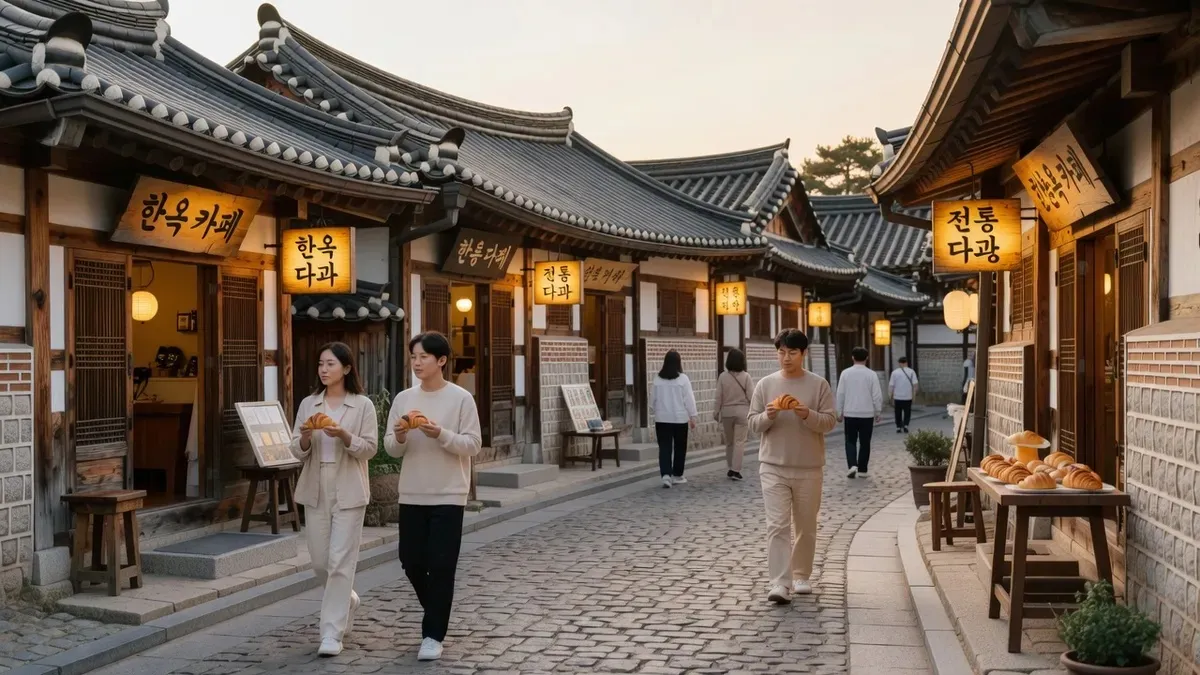
The hanok café street beside Daereungwon is the natural stop before the afternoon walking begins.
-
13:30
Daereungwon and Cheonmachong
Walk the tomb mounds and step inside Cheonmachong, the one tomb open to visitors, ₩3,000 including the interior.
-
14:30
Cheomseongdae
A 10-minute walk from the tombs to the open lawn around the observatory, free to view from outside.
-
15:30
Gyochon Hanok Village and Woljeonggyo Bridge
Continue on foot through the traditional village to the reconstructed bridge, all still within the same walkable 2 km stretch.
-
After dark
Donggung Palace and Wolji Pond
Open until 22:00; the floodlit reflection over the water is the day's natural closer, worth timing your dinner around.
Morning on Tohamsan: Bulguksa and Seokguram
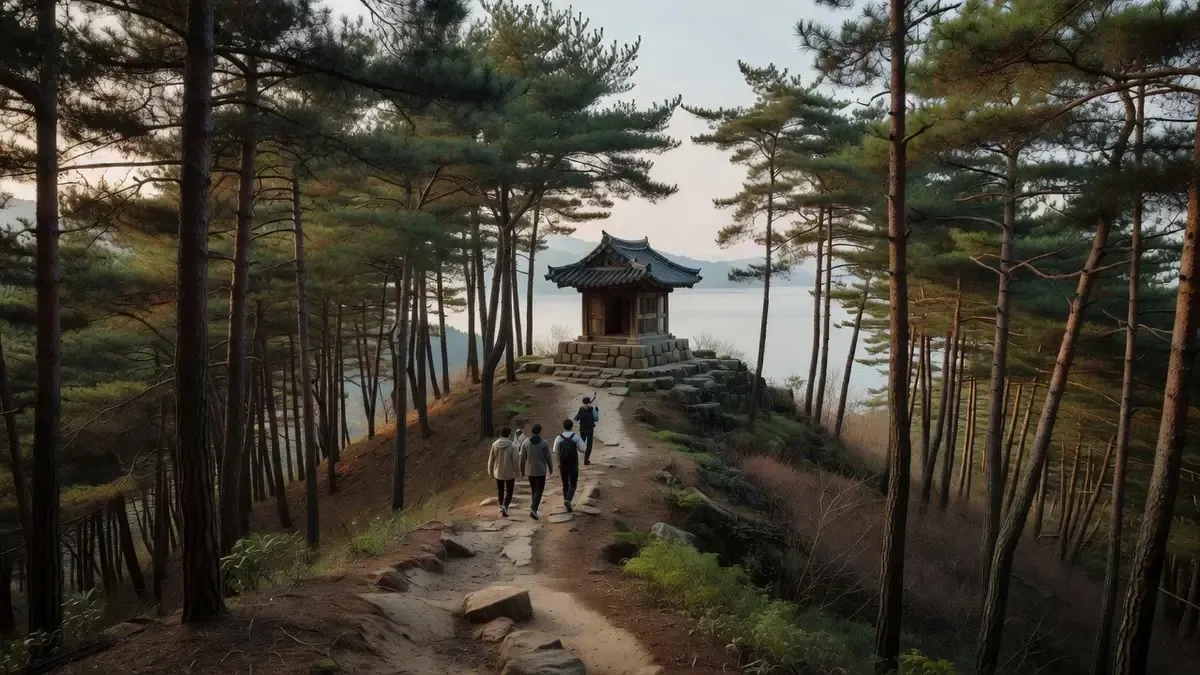
Bulguksa and Seokguram sit together on Tohamsan, and I route them first for two reasons: the light is better in the morning for photographs across the stone terraces, and the crowds are thinner before the group tours arrive mid-morning. Bulguksa itself rewards slow walking, the stone bridges and pagodas each carry their own story, and rushing it defeats the point of starting the day here.
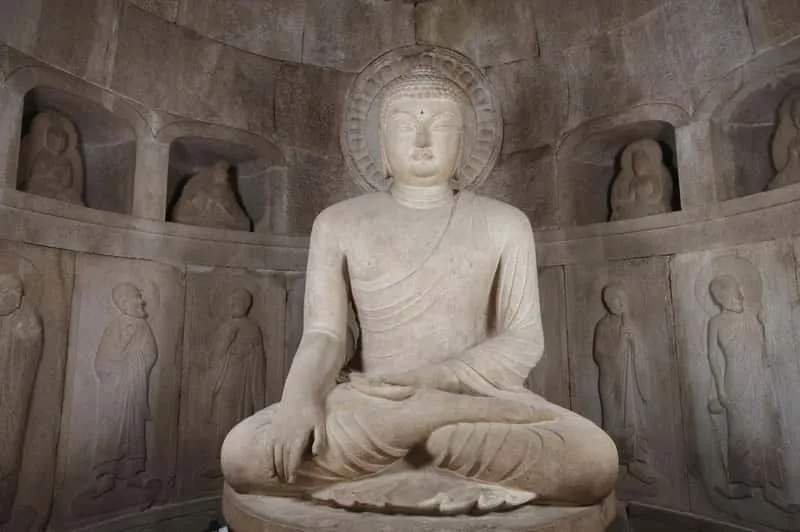
Seokguram sits further up the mountain, a short ride or a longer uphill walk beyond the temple, and it's worth the extra effort for the stone Buddha grotto alone. Both sites carry no entrance fee since the 2023 policy change, which I mention once here since I know visitors budgeting the day appreciate knowing it upfront rather than discovering it at the gate.
I usually budget an hour and a half for Bulguksa alone and closer to two and a half hours for the Tohamsan pairing overall once the uphill leg to Seokguram is added in. Visitors who arrive expecting a quick 45-minute walkthrough of the temple grounds tend to feel rushed by the time they're back at the base, so I'd rather set that expectation here than have someone discover it standing at the entrance.
Midday and Afternoon: The Walkable Core
Once you're back down from Tohamsan, the rest of the day happens almost entirely on foot. Daereungwon, Cheomseongdae, Gyochon Hanok Village and Woljeonggyo Bridge all sit within about 2 km of each other, and I route travelers through them in that order because it flows naturally from one to the next without doubling back.
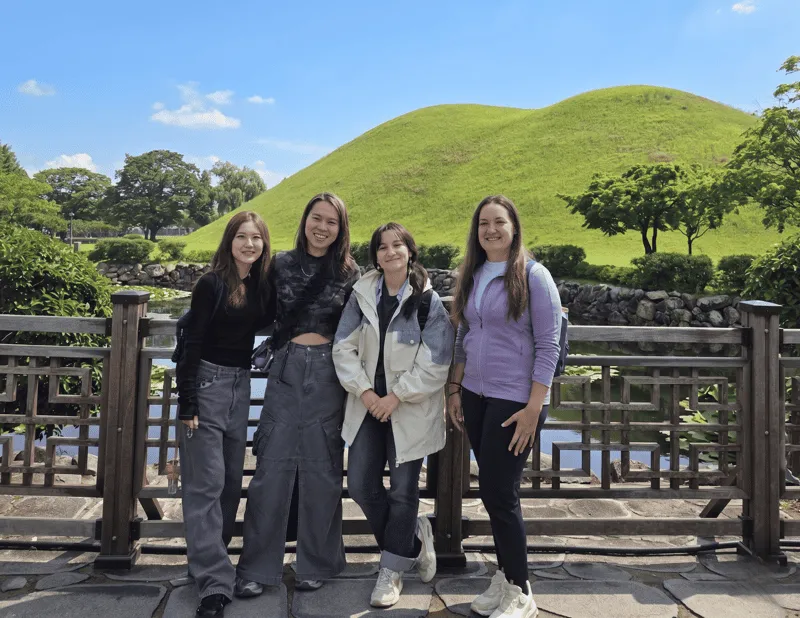
Daereungwon is the royal tomb park at the center of it all, grassy mounds rising among tree-lined paths, and Cheonmachong is the one tomb with an interior you can actually walk into, ₩3,000 covering both the park and that interior visit. From there it's a 10-minute walk to Cheomseongdae, the open observatory lawn that costs nothing to view, then on to Gyochon Hanok Village and the bridge, with lunch on Hwangnidan-gil fitting naturally into the middle of this stretch.
None of this stretch needs a taxi or a bus, which is part of why I route the afternoon this way rather than trying to squeeze in something farther out. The pace is naturally slower than the morning at Bulguksa, more wandering than sightseeing, and I tell visitors to let it be that way rather than rush through the tombs to make room for another stop that doesn't fit.
Evening: Donggung and Wolji Pond After Dark
Donggung Palace and Wolji Pond stay open until 22:00, and the after-dark visit is the one stop on this itinerary I would never move earlier in the day. The floodlit pavilions reflected across the water are a genuinely different experience from the daytime version, and it's the moment most visitors remember longest from a single day in Gyeongju.
Entry runs ₩3,000, and I recommend timing dinner for right before or right after this stop, since Hwangnidan-gil and the streets near Donggung both have enough restaurants to make it an easy last errand of the day rather than a separate trip.
Where the Day Goes Wrong
The single biggest trap is underestimating the Bulguksa leg. It sits about 16 km from the walkable core, and the city bus connection runs about 40 minutes each way, which means the temple pairing alone can eat three hours of the day once you count the ride there, the visit, and the ride back. Travelers who treat it as a quick add-on to an already packed afternoon are the ones who end up cutting Donggung at the end of the day, which is the wrong stop to lose.
The second trap is arriving from Busan by KTX and losing the first hour of the day figuring out the last leg into town, since the KTX station sits well outside the historic center and needs its own connection. Anyone building this itinerary on a day trip from Busan should read that page first and plan the arrival before worrying about the route inside Gyeongju itself.
Skipping the combined Donggung and Daereungwon ticket is a smaller trap but a real one: buying separately costs slightly more than the bundled option, an easy thing to miss if you're moving quickly between stops rather than checking the ticket window at each gate.
The last trap is simpler than any of the above: not eating. Visitors who push through the afternoon without a proper lunch stop on Hwangnidan-gil tend to run out of energy right around Donggung, the exact stop they shouldn't be tired for. Building the meal into the route rather than treating it as an afterthought keeps the evening from feeling like a chore instead of the highlight it's meant to be.
Doing It Without the Logistics
If routing all of this yourself sounds like more planning than you want on a single day, the 4.5-hour private tour starting in Gyeongju compresses the UNESCO core, Bulguksa, Seokguram and the surrounding sites, into a shorter guided window with a local guide handling the transfers and the pacing. It's the option I point travelers toward most often when they tell me they want the highlights without spending the day managing bus connections themselves.
For anyone weighing the full range of guided options against this DIY route, full-day Gyeongju city tours cover every departure style currently running, from private half-days to full-day group tours that bundle Busan pickup into the same booking.
Frequently Asked Questions
What order should I visit Gyeongju's sights in for one day?
Start with Bulguksa and Seokguram in the morning while the light and crowds are both better, then move into the walkable tomb core, Daereungwon, Cheomseongdae, Gyochon and the bridge, in the afternoon, and close at Donggung Palace after dark.
How much walking does a one-day Gyeongju itinerary involve?
The afternoon core covers roughly 2 km on foot between Daereungwon, Cheomseongdae, Gyochon Hanok Village and Woljeonggyo Bridge, comfortable walking shoes are enough. Bulguksa and Seokguram in the morning involve more uphill walking around the temple grounds themselves.
What should I skip if I only have half a day instead of a full one?
Cut Seokguram first, since it adds the most travel time for the smallest slice of the day, and keep Bulguksa, the walkable core and Donggung, which together still give a real sense of the city.
Is Bulguksa or the tomb park better to visit first?
Bulguksa first. It sits farther out on Tohamsan and benefits from morning light and thinner crowds, while the tomb park and the rest of the walkable core stay pleasant to visit later in the day.
What time does Donggung Palace close?
22:00. That late closing is exactly why it works as the last stop of a one-day itinerary, the floodlit evening visit doesn't compete with anything else on the schedule.
Can I fit the Gyeongju National Museum into a one-day itinerary?
Not comfortably alongside everything else on this route. The museum deserves two or three unhurried hours on its own, so most travelers doing a single day save it for a return trip rather than rush both.